
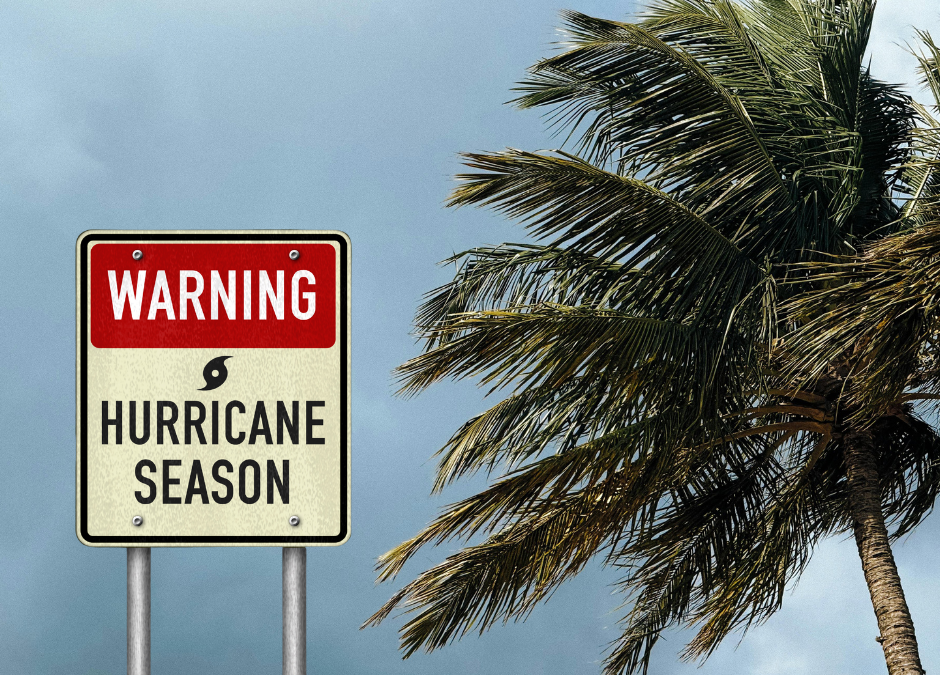
CAT season, short for catastrophe season, refers to periods when hurricanes, floods, severe storms, and other large-scale weather events create sudden spikes in insurance claims volume. In the United States, hurricane season officially runs from June 1 through November 30, with peak activity typically occurring between August and October.
According to NOAA, the U.S. experienced 28 separate weather and climate disasters exceeding $1 billion in damages in 2023 alone. Each event created operational pressure across the insurance claims ecosystem, especially for adjusting firms handling flood and P&C claims at scale.
When claim volume surges this quickly, workflows that seemed manageable under normal conditions can begin breaking down fast.
For adjusting firms, CAT season does not begin when the storm makes landfall. It begins much earlier.
By the time assignments start coming in, the firms that are prepared already have systems in place. Workflows are organized. Roles are clear. File handling processes are structured. Communication channels are established.
The firms that wait until assignments begin flooding in are usually forced into reactive mode.
CAT events expose weaknesses quickly. Small inefficiencies that seem manageable during normal claim volume become operational problems once hundreds of files begin moving at the same time. That is why preparing for CAT season has less to do with simply hiring more adjusters and more to do with preparing the workflow behind them.
Why CAT Season Creates Operational Pressure
Catastrophe claims move fast. Deadlines tighten, carrier expectations increase, and communication volume spikes across the entire workflow. Files move through the system more quickly and with far less room for error.
For adjusting firms handling flood and P&C claims, the operational side of claims management becomes significantly harder once volume surges.
During CAT season, firms are often managing:
- New claim assignments
- Preliminary reports
- Final reports
- Proof of loss deadlines
- Carrier revisions
- Status updates
- Billing and commission tracking
When these processes rely on spreadsheets, email chains, or disconnected systems, visibility starts to disappear. That is usually when delays begin.
Strong CAT Response Starts Before the Storm
The firms that handle CAT season effectively usually focus on preparation long before assignments arrive.
That preparation often includes reviewing workflows, organizing file management systems, preparing reporting structures, and ensuring adjusters and examiners are aligned on deadlines and carrier requirements.
The goal is consistency.
When claim volume doubles or triples, firms cannot rely on memory or manual follow-up to keep files moving. Every breakdown in communication or workflow becomes more expensive under pressure.
Assignment Distribution Becomes Critical
One of the first operational bottlenecks during CAT season is assignment management.
As new claims begin coming in, leadership needs visibility into which adjusters are overloaded, which files are still awaiting inspection, and how quickly preliminary reports are being completed.
Without a structured claims workflow, assignments become difficult to track across the team. This creates uneven workloads and delays that spread across the operation.
A centralized claims management system gives firms the ability to monitor assignments in real time and rebalance workloads before delays start stacking up.
File Organization Matters More Than Most Firms Realize
During normal claim volume, disorganized file handling may not immediately create operational problems. CAT season changes that quickly.
As hundreds of files move through the workflow at once, even small organizational gaps begin multiplying across the firm. Documents become harder to locate, notes are scattered across inboxes, and revision requests get buried.
Over time, this creates operational drag that affects adjusters, examiners, leadership, and carrier relationships alike.
Structured file management becomes essential because it allows every claim to move through the same process consistently, regardless of who is handling it.
Visibility Determines Whether Firms Scale Smoothly
As firms grow during CAT events, leadership loses the ability to monitor files manually.
That is where operational visibility becomes critical.
A scalable claims operation requires visibility across:
- Open claim volume
- Preliminary and final report status
- Internal and carrier revisions
- Aging files
- Proof of loss compliance
- Adjuster workload distribution
Without this visibility, leadership is forced into reactive management. Problems are discovered after deadlines are missed instead of before.
Strong claims management software allows firms to identify workflow bottlenecks early and respond before they affect carrier relationships or claim cycle times.
Why Spreadsheets Break During CAT Season
Many adjusting firms still rely heavily on spreadsheets for claims tracking. That may work at lower volume, but CAT season changes the equation.
Spreadsheet claims tracking depends on manual updates. Every assignment, deadline, and status change must be entered and maintained consistently across the team.
As volume increases, the process becomes harder to maintain accurately.
This often leads to inconsistent file status, missed deadlines, duplicate work, delayed submissions, and increased revision cycles.
CAT events expose these weaknesses very quickly because manual systems struggle under sustained operational pressure.
Communication Gaps Become Expensive
CAT season increases communication pressure across the entire workflow.
Adjusters are communicating with insureds, examiners, carriers, contractors, and internal leadership simultaneously. When communication is spread across inboxes, spreadsheets, and disconnected systems, critical information becomes harder to track.
This slows down approvals and creates avoidable delays.
A structured claims workflow centralizes communication and creates consistency across the team, which becomes increasingly important as claim volume rises.
What Strong CAT Infrastructure Looks Like
Adjusting firms that scale effectively during CAT season usually rely on infrastructure designed for operational visibility and consistency.
That infrastructure often includes:
- Centralized claims management software
- Automated task and deadline tracking
- Clear workflow stages from assignment through submission
- Internal examiner review processes
- Real-time visibility into file status
- Reporting and analytics across the firm
The goal is clarity across the operation.
When workflows are structured properly, adjusters spend less time managing administrative tasks and more time moving claims forward.
Where Dragonfile Fits In
This is exactly where Dragonfile was built to help.
Dragonfile is a claims management and workflow platform designed specifically for adjusting firms and independent adjusters handling flood and P&C claims.
It organizes the operational side of CAT response by providing centralized file management, workflow visibility, task tracking, and structured documentation handling inside one platform.
As claim volume increases, firms gain better visibility into file progress, deadlines, revisions, and overall workload distribution. That structure becomes especially important during CAT season, when operational pressure is at its highest.
Final Thoughts
CAT season does not create workflow problems. It exposes the ones already there.
The firms that perform well during catastrophe events are usually the firms that prepared their operational systems before volume arrived.
Adding more adjusters increases capacity. But without structure and visibility, growth creates friction instead of efficiency.
For adjusting firms handling flood and P&C claims, scalable operations depend on organized workflows, centralized claims tracking, and systems that can support high claim volume without slowing down.
When CAT season arrives, infrastructure becomes the difference between reacting to chaos and operating with control.
If your firm is preparing for CAT season, now is the time to strengthen your workflow infrastructure.
Explore how Dragonfile supports adjusting firms handling flood and P&C claims at scale.
FAQs
What is CAT season in insurance claims?
CAT season, short for catastrophe season, refers to periods when hurricanes, floods, severe storms, and other large-scale weather events create a surge in insurance claims volume. For adjusting firms, this usually leads to increased operational pressure and tighter turnaround expectations.
Why do adjusting firms struggle during CAT season?
Many firms struggle because manual workflows become difficult to manage at high claim volume. Spreadsheets, disconnected systems, and inconsistent file tracking create delays, communication gaps, and increased revisions during catastrophe events.
How can adjusting firms prepare for CAT season?
Adjusting firms can prepare by organizing workflows before claim volume increases, centralizing file management, improving assignment tracking, and implementing structured claims management systems that provide visibility across operations.
Why is workflow visibility important during CAT events?
Workflow visibility allows firms to track claim status, deadlines, revisions, and adjuster workloads in real time. This helps leadership identify bottlenecks early and maintain operational consistency during high-volume periods.